See What You Think: Visual Notes That Work With Your Brain

Dive into visual note systems tailored for ADHD and neurodivergent thinkers, designed to lower cognitive load, spark motivation, and make ideas visible at a glance. Expect compassionate strategies, research‑backed guidance, and playful creativity that respects sensory needs, executive function variability, and real‑life chaos, so your notes become trustworthy companions, not burdens, every day across school, work, and home.

Groundwork for Calm, Clear Visual Thinking

Before any pen stroke or pixel, let’s craft conditions where attention can settle, curiosity can lead, and overwhelm stays small. We will translate working‑memory limits into gentle layouts, chunk complex ideas into visual groups, and use external cues that offload remembering, helping your brain prioritize, pace itself, and celebrate progress without pressure.

Build a Personal Visual Vocabulary

Collect icons, doodles, arrows, and color cues that feel intuitive, then standardize them with a tiny legend. Keep no more than seven core symbols, add situational stickers, and agree on meanings with collaborators, so every page reduces decisions and speeds recognition anywhere you open your notebook or app.

Shape the Page to Reduce Friction

Use forgiving templates: spacious margins, dotted grids, left gutters for anchors, and clear zones for actions, references, and thoughts. Pre‑draw containers for tasks and ideas, reserve white space for future links, and lean on checkboxes, tags, and arrows that guide the eye calmly from start to finish.

Rhythms, Breaks, and Sensory Boundaries

Attention ebbs and flows. Add visual timers, pacing marks, and micro‑break symbols; alternate high‑stim colors with soft neutrals to avoid fatigue; and establish boundary cues—a closing line, end‑of‑page badge, or ritual sticker—so your brain recognizes closure, resets gently, and re‑enters tasks with renewed clarity and energy.

Tools That Fit: Paper, Tablet, and Everything Between

Analog That Moves With You

Choose dotted notebooks with thick, low‑smear paper, high‑contrast pens, and repositionable tabs. Keep a pocket folder for sticky notes and tiny index cards. Field‑test outside the desk—on buses, stairs, and couches—to ensure legibility, privacy, and durability stay strong when life moves faster than plans.

Digital That Bends Without Breaking

On tablets, use layers, lasso tools, and hyperlinks to rearrange thinking without rewriting. Combine palm‑rejection with fat‑tip highlighters for sensory comfort. Set up quick‑capture widgets and handwriting recognition, then route pages into tagged notebooks so retrieval, sharing, and backups happen automatically behind the scenes.

Bridging Worlds Seamlessly

Bridge paper and pixels with a fast capture pipeline: photograph pages, auto‑crop, run OCR, and send to a dedicated inbox with date stamps and project tags. Keep physical originals in color‑coded folders, and mirror the same structure digitally to eliminate hunting and rebuild trust quickly.

Color, Shape, and Type That Your Brain Remembers
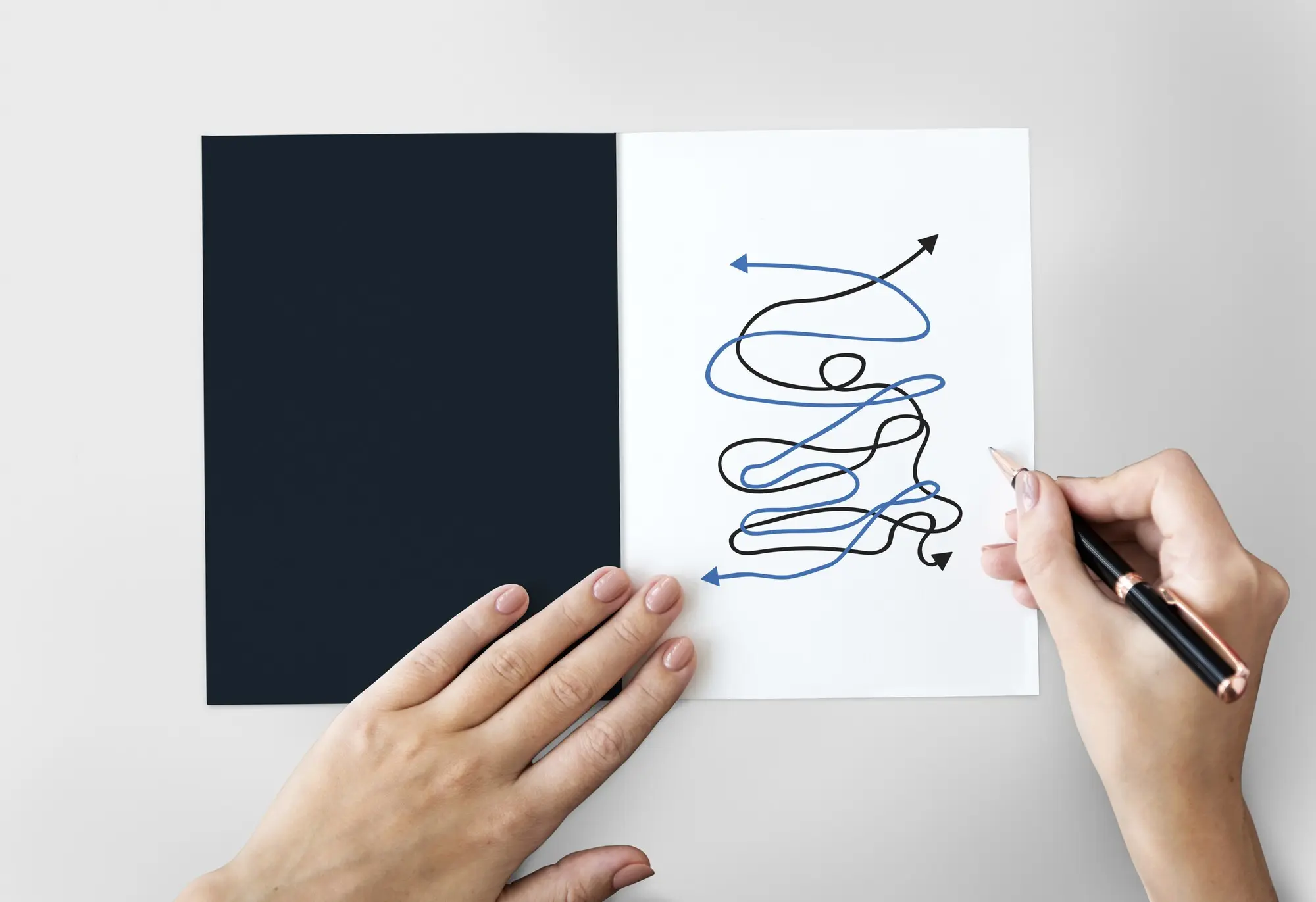
Color attracts, shapes organize, and type invites reading. We will design palettes that reward progress without overwhelm, containers that separate ideas cleanly, and lettering choices that reduce eye strain. Evidence‑informed tweaks compound, turning scattered pages into reliable maps that your future self can follow confidently.

Color Systems With Safety Nets

Pick high‑contrast pairs that survive dim rooms and screen glare, then add a calm base with two energizing accents. Respect color‑vision diversity by testing with simulators, and never rely on hue alone—combine with icons, patterns, or labels so meaning remains stable under every lighting or printing condition.

Containers, Lines, and Motion Cues

Use boxes, swimlanes, and gentle arrows to signal relationships without shouting. Rounded corners soften transitions; thick‑to‑thin lines indicate hierarchy; progress bars and token trackers show momentum. Motion cues like staggered arrows suggest sequence, while subtle shadows group related notes, protecting focus when pages get busy and crowded.

Letterforms That Invite Reading

Choose generous letter spacing, a readable x‑height, and consistent line length between forty‑five and seventy‑five characters. Prefer clean sans‑serifs or friendly humanist faces. Mix weights for hierarchy instead of all caps, and pair dark ink with matte paper to minimize glare, fatigue, and skipping when skimming fast.

Maps, Boards, and Timelines for Spatial Memory
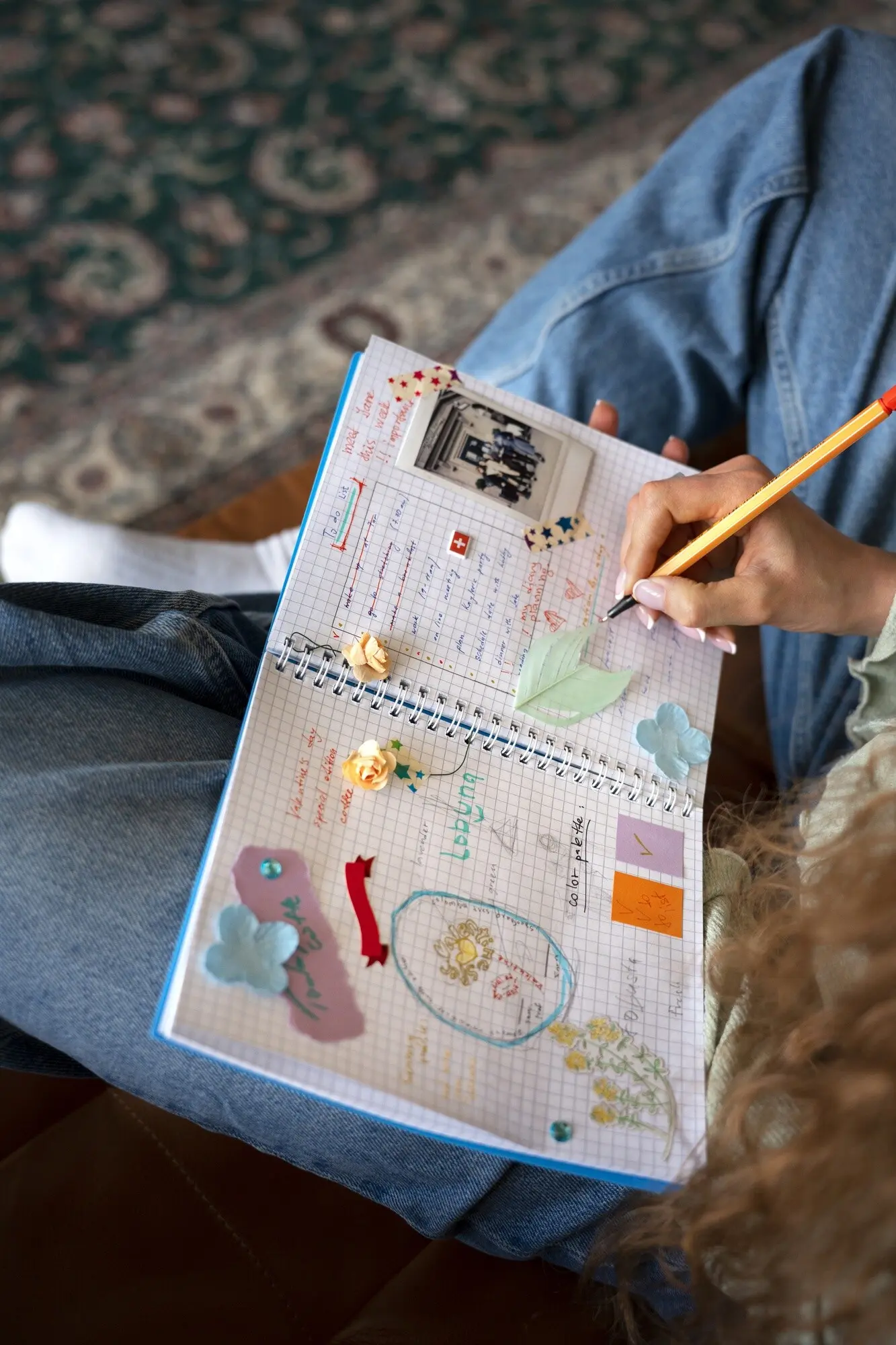
Spatial layouts help many neurodivergent minds recall context and next steps. We will explore mind maps, kanban‑style lanes, and visual timelines that tame time‑blindness, making priorities visible and progress measurable. Expect approachable scaffolds you can redraw quickly under pressure, then expand when energy and clarity return.

Daily Captures Without Guilt

Start with a two‑minute sweep: date the page, capture three loose thoughts, circle one next action, and park distractions in a margin container. Reward completion with a small sticker or color flash. If energy dips, stop early; consistency beats perfection every ordinary morning.

Weekly Resets and Color Audits

Once a week, flip through pages and relabel colors that drifted from intent. Migrate open loops into a fresh spread, rewrite only what matters, and archive the rest. This gentle clean‑up restores clarity, reduces guilt, and renews motivation without demanding exhausting overhauls or rigid rules.

Archives You Can Actually Find

Design an index you will actually consult. Combine page numbers, skimmable tags, and a monthly map that highlights major ideas and commitments. Photograph it for cloud backup. When a deadline looms, one glance surfaces paths forward, saving time, energy, and confidence for meaningful problem‑solving.

Stories, Templates, and Community Support

A Student Reframes Studying With Sketch Clusters

Facing scattered lecture slides and racing thoughts, a college student sketched compact clusters: one shape for concepts, one for formulas, and one for traps. Weekly, they remixed pages into a summary map. Grades rose, but more importantly, confidence stabilized because recall started with pictures, not blank lines.

Meetings That Respect Sensory Needs

An autistic designer introduced color‑coded speaking turns, printed agendas with icons, and a paper parking‑lot for off‑topic ideas during meetings. Over months, interruptions dropped, outcomes improved, and team stress eased. Visual boundaries protected processing time while keeping collaboration flexible, humane, and measurably more productive for everyone involved.

Join the Conversation and Co‑Create

Share a snapshot of your latest page, ask for feedback on palettes, or request a template for tricky workflows. Comment, subscribe, and invite friends who might benefit. Together we will test, iterate, and cheer progress, turning scattered notes into collective knowledge that travels confidently between minds.
Xarikirarinoveltozeratelimexo
Privacy Overview

This website uses cookies so that we can provide you with the best user experience possible. Cookie information is stored in your browser and performs functions such as recognising you when you return to our website and helping our team to understand which sections of the website you find most interesting and useful.