



Paper, Pixels, and the Race to Remember

On buses, in hallways, or between calls, ideas vanish fast. Today we explore digital vs. analog workflows for fast visual notes on the go, comparing speed, friction, legibility, and shareability, while shaping a lightweight routine you can trust under pressure anywhere. Expect practical kits, realistic constraints, and small rituals that rescue flashes of insight before they disappear.

Where Speed Really Comes From

Flashy tools rarely solve the real bottleneck, which hides in decision load, setup friction, and confidence with lines. We break down how muscle memory, latency, and context switching steal seconds, and how to design a capture ritual that begins instantly, travels lightly, and concludes with something future-you can find, trust, and act upon without hesitation or regret.

Pocket Capture Rituals

When a thought sparks, you have five to ten seconds before its shape fades. Prepare for that moment with a pocket routine that feels inevitable: front pocket index cards, a clipped pencil, and a single card format; or a locked-phone widget and one gesture to an empty canvas. Reduce choices, pre-decide templates, and let your hands begin before your doubts interrupt.

Latency and Gesture

Paper begins at human speed: graphite meets cellulose with no boot, sync, or notifications. Digital adds latency but returns advantages like infinite zoom and color. Your fastest line appears where friction is predictable. Practice big, confident strokes on both mediums, learn each tool’s acceleration curve, disable heavy brushes during capture, and convert hesitation into one sweeping gesture that stores intent immediately.

The One-Minute Note Sprint

Set a silent timer for sixty seconds and capture only what would disappear if you waited. Draw one container, three bullets, and a decisive headline. No shading, no perfection, no rearranging. If digital, use one pen weight and one color. If analog, one pen only. Stop at the beep, add a single retrieval tag, and move. Speed is a design constraint, honored.

Clarity, Fidelity, and Retrieval

Fast notes deserve a future. We compare the legibility of ink to the searchability of pixels, and the emotional recall of hand-drawn marks to the machine recall of tags and OCR. The goal is not pristine art but dependable memory cues that guide next actions. Build a capture that the brain recognizes later, while your system ensures nothing essential gets stranded or lost.

Kits That Fit in Your Pocket

Your hands should reach the tool before your inner critic wakes. Build a tiny set that lives on your body, not your desk. Analog thrives with durable simplicity; digital excels with one-tap readiness. Hybrid tools bridge capture and cloud without ceremony. Everything must be replaceable, resilient to motion, and quiet in meetings. If your kit invites tinkering, reduce it until it simply disappears.

Analog Everyday Carry

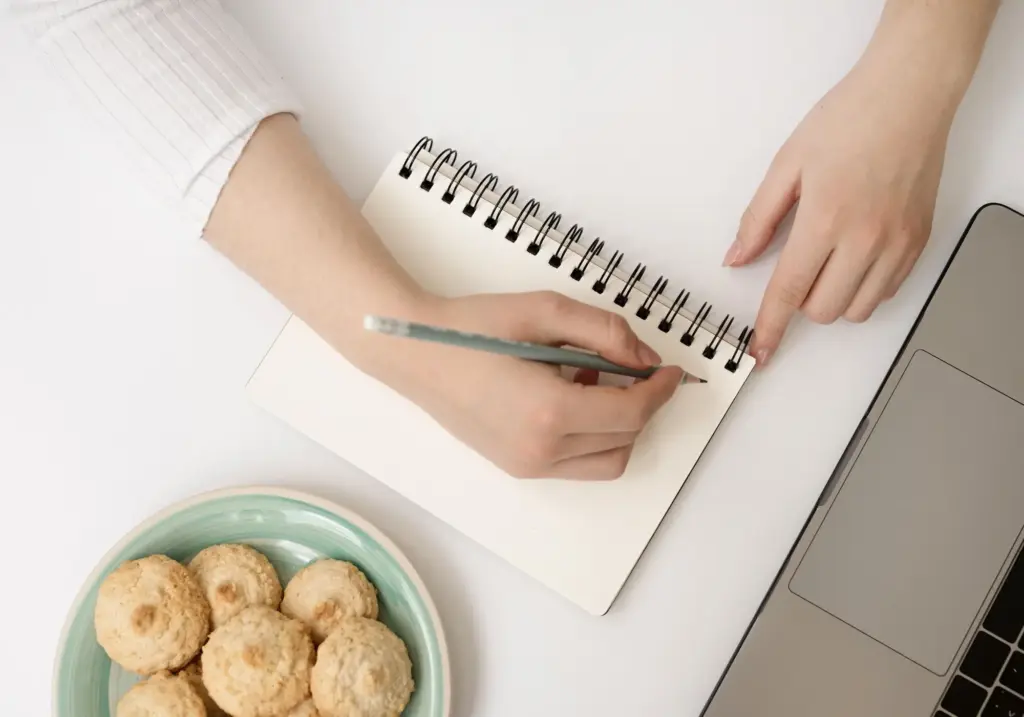
Choose a pocket notebook with paper that dries fast and resists bleed. Pair it with a reliable gel pen or a mechanical pencil that never needs sharpening. Add three index cards clipped under the cover for tear‑and‑share moments. A tiny binder clip becomes a stand. Keep a narrow ruler or use a card edge. The promise: open, draw, close, walk, with zero ceremony.
Digital Minimal Stack

On phone or tablet, pin a single-note widget or quick-sketch shortcut to the lock screen. Default to a plain background, one pen, and automatic date-stamped filenames. Enable offline mode, because trains and basements happen. Sync later, not now. If you own a stylus, set double-tap to eraser; if not, embrace finger drawing. Keep battery anxiety low with a slim power bank and short cord.
Hybrid Bridge Tools

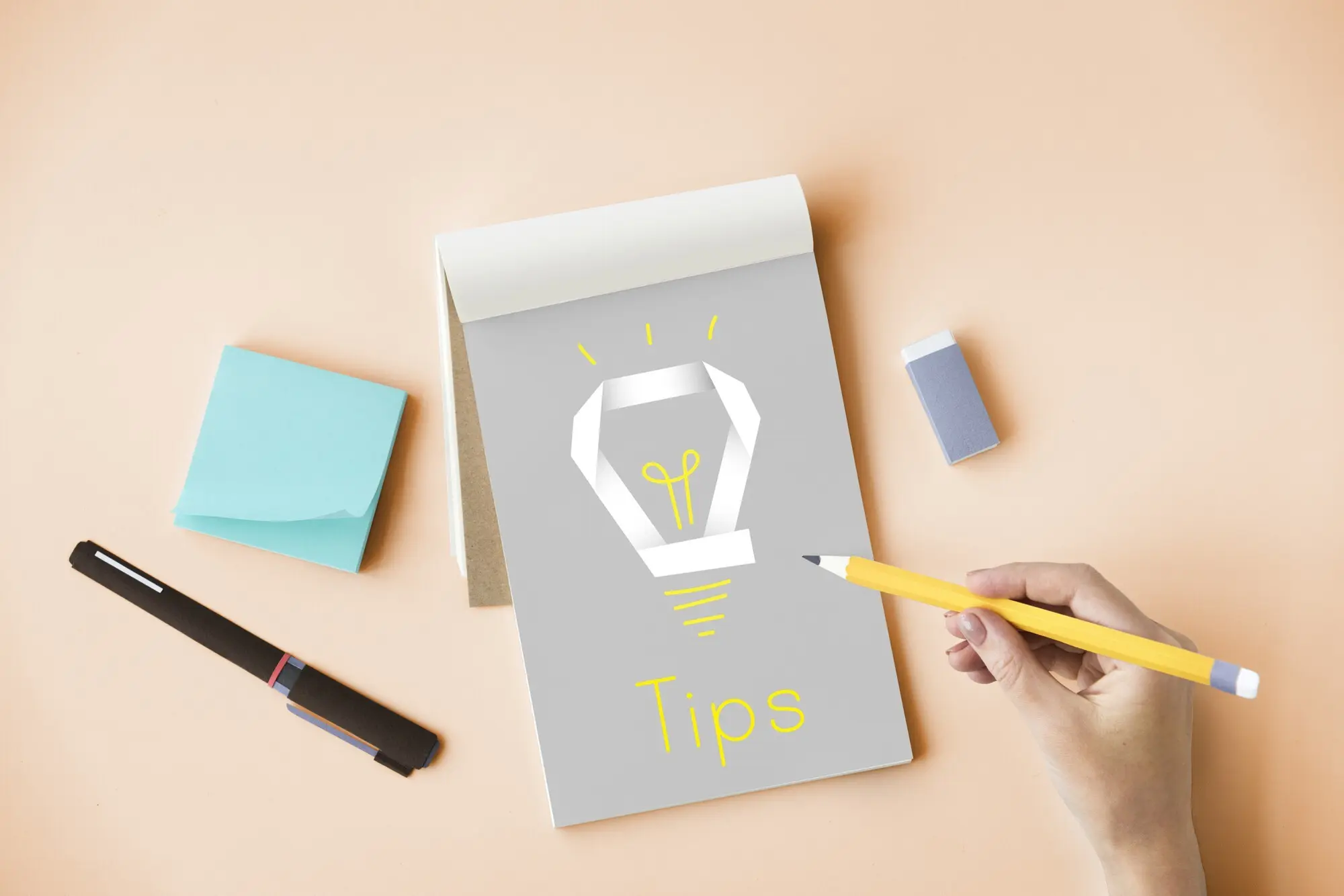
Scanning notebooks, reusable paper, and instant OCR apps erase barriers between ink and pixels. A foldable phone stand turns any table into a digitization bay. Use batch scan to capture an entire spread, then auto-upload to a dated folder. Teach your system to recognize your margin codes. Hybrid shines when capture stays physical for speed yet lands in the cloud ready for sharing and linking.
Subway Without Signal

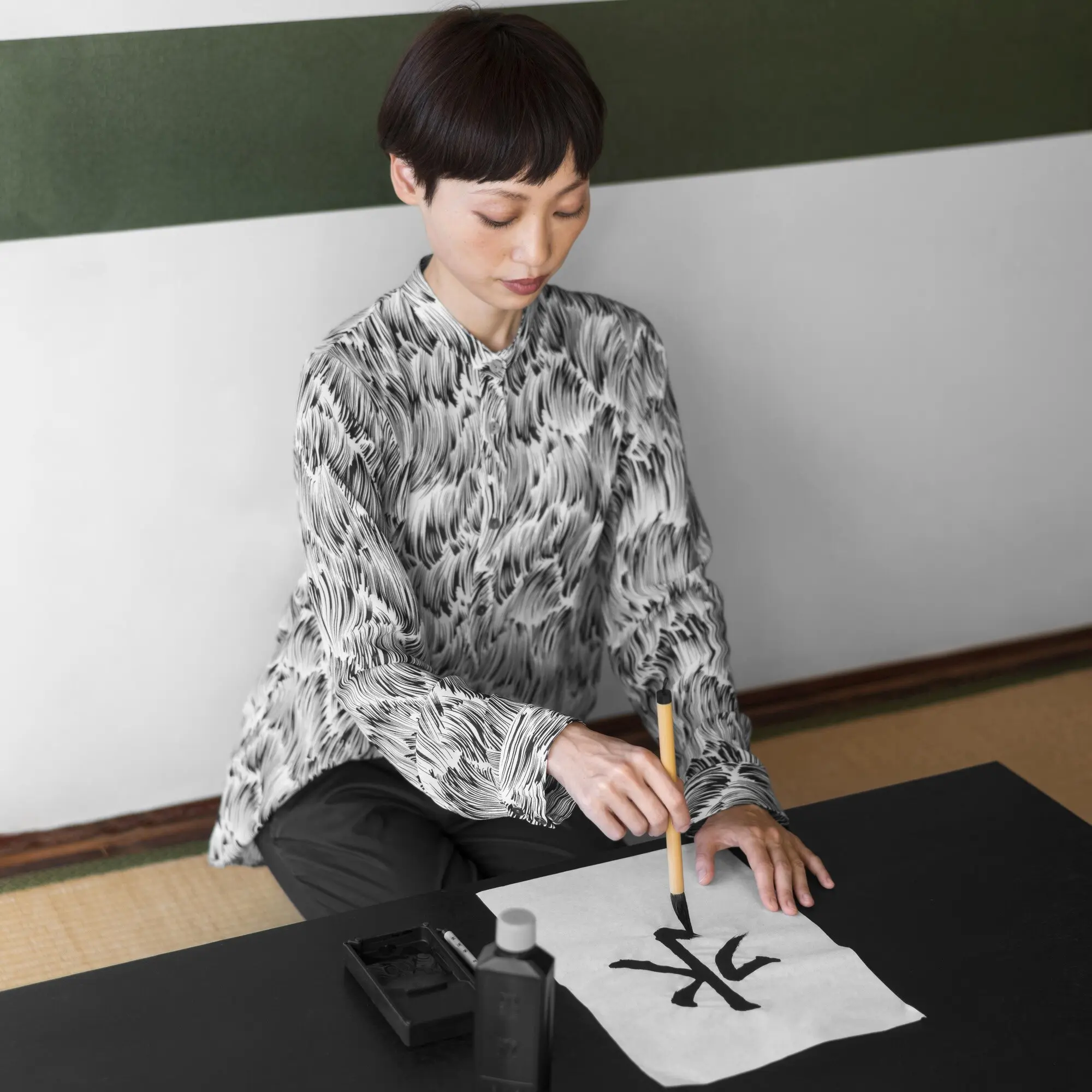
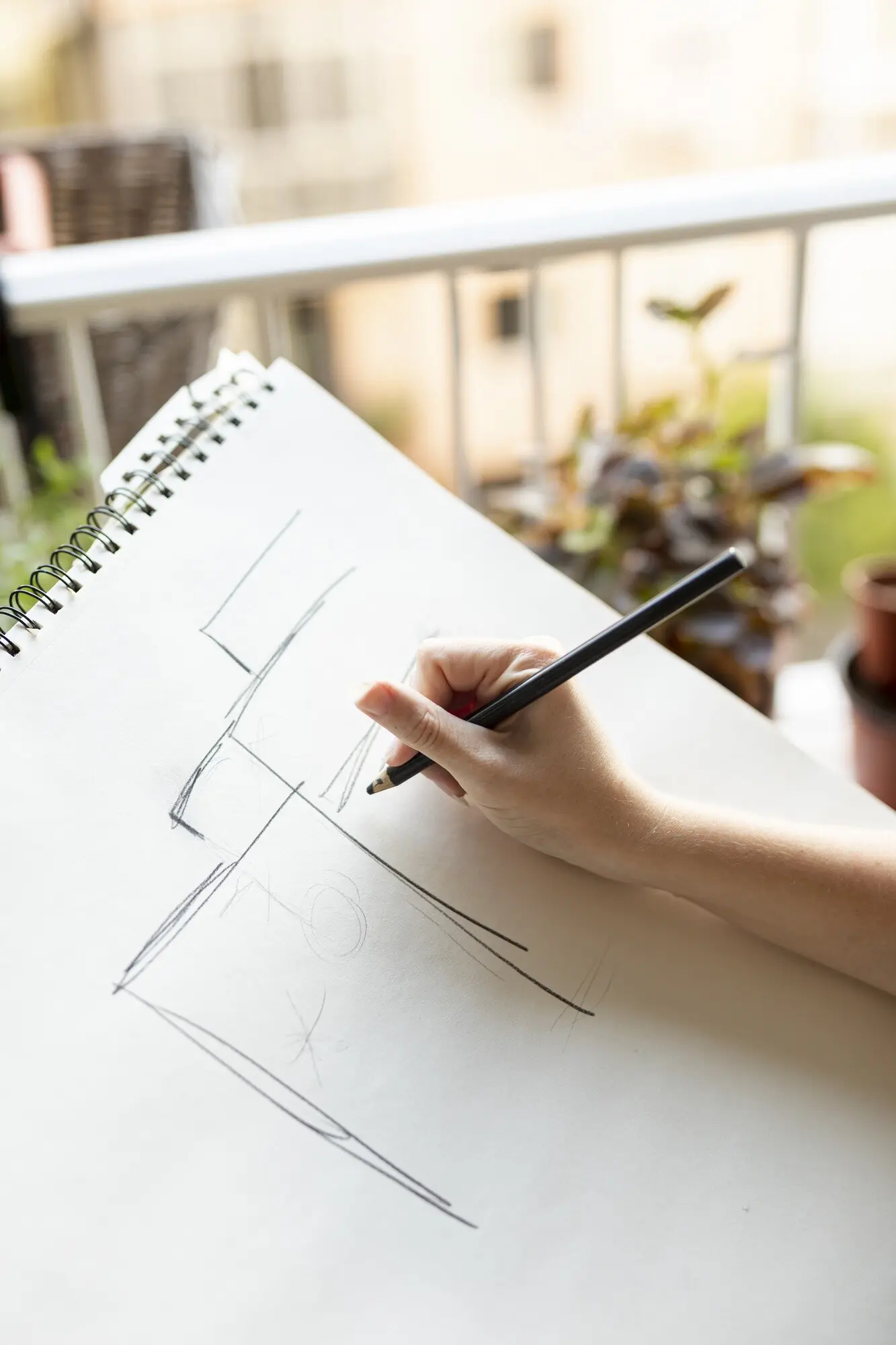
No network, no table, one slippery pole. Analog owns this setting: pocket notebook flat against your palm, bold headline, chunky arrows. Capture quotes verbatim with block letters to survive motion. Mark a square for follow-ups you will enrich later. When doors open, photograph the page for timestamped context. The ride becomes a moving studio where uncertainty is reduced to steady, simple strokes.

Stand‑Up Meeting Lightning

In a quick status circle, digital earns its place with share-on-exit speed. Open a prepared canvas with team abbreviations preset, draw three swimlanes, and capture blockers using the red pen. At the final minute, export to chat with a sensible filename. People act faster when decisions appear visually. Your notes become alignment artifacts, not souvenirs, accelerating the next small, coordinated movement forward.

Error Tolerance and Editing

Paper forgives with decisive crossings-out; pixels forgive with undo, layers, and non-destructive edits. Each forgiveness changes behavior. Infinite undo tempts endless fiddling, while ink enforces bold choices. Design rules that protect momentum: capture now, refine later, and only once. Editing should elevate legibility and actionability, never smother the living spark that made the note necessary in the first place.

Make It a Habit You Can Keep

Consistency beats bursts. Anchor quick sketching to stable cues like coffee aroma, commute steps, or meeting chimes. Use tiny prompts that whisper, not shout, and track streaks compassionately. Close the loop with a nightly review that rewards your future self. Invite peers into the ritual, share wins and misses, and subscribe for fresh drills that keep your hands fluent and fearless.
Xarikirarinoveltozeratelimexo
Privacy Overview

This website uses cookies so that we can provide you with the best user experience possible. Cookie information is stored in your browser and performs functions such as recognising you when you return to our website and helping our team to understand which sections of the website you find most interesting and useful.