Sketch Together, Think Faster: Real‑Time Visual Notes for Remote Teams

Welcome! Today we’re diving into collaborative visual notes for remote teams in real time—turning meetings into living canvases where sketches, diagrams, and symbols spark alignment faster than paragraphs. You’ll find practical rituals, tool tips, engaging prompts, and inclusive techniques to capture ideas together, keep momentum between calls, and transform scattered thoughts into action. Share a snapshot of your next board in the comments and subscribe for fresh plays each week.

Why Drawing Together Beats Typing Alone

When teams sketch in sync, abstract ideas become concrete faster, misunderstandings surface early, and decisions leave visible evidence everyone can reference later. Research on dual coding suggests visuals amplify recall, while shared canvases reveal gaps. In distributed settings, this accelerates trust, because progress feels tangible, participatory, and unmistakably co-created.

Memory Loves Pictures

People remember more when words pair with images; studies often cited in cognitive science suggest image-supported messages can dramatically boost three-day recall compared with text alone. In practice, a quick sketch of a workflow anchors context, reduces re-explaining, and lets late joiners catch up without derailing precious meeting time.

Shared Understanding, Fewer Misfires

Drawing the same idea together exposes different mental models immediately. You’ll see where arrows disagree, labels collide, or timing breaks, long before code ships or campaigns launch. That early friction is gold: it creates alignment calmly, when changes are cheap, not urgently, when commitments harden and tempers rise.

Tools That Feel Like a Marker, Not a Manual

Choose platforms that make drawing feel immediate: infinite canvas, low-latency cursors, simple shapes, and easy exports. Options like FigJam, Miro, Excalidraw, or Microsoft Whiteboard shine when permissions are painless and mobile support is solid. Favor tools your team already uses for SSO, notifications, and minimal onboarding friction.

A Lightweight Ritual for Fast, Clear Sessions

Small, repeatable moves beat elaborate ceremonies. Open with a clear question, a visible legend, and a quiet minute to think. Then sketch live, cluster ideas, and timebox decisions. End by photographing or exporting the canvas, assigning owners, and scheduling the smallest possible next step before everyone disconnects.

The Double Diamond in Doodles

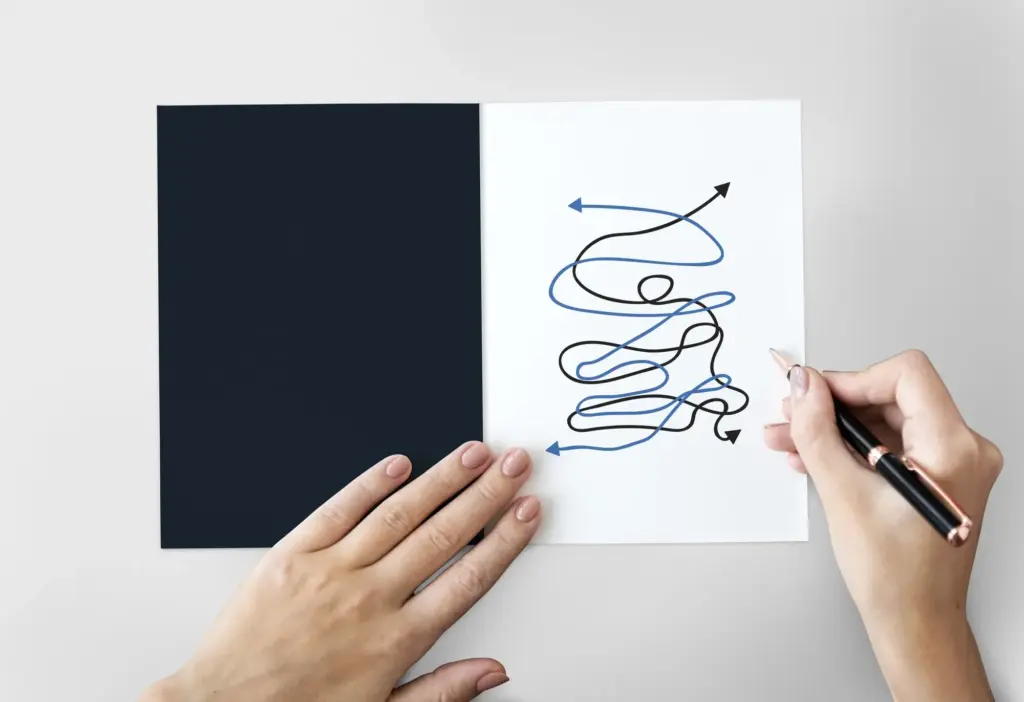
Split the canvas into four labeled zones—discover, define, develop, deliver—then let ideas expand before they converge. Quick arrows show handoffs, risks, and dependencies. People see where they are and what’s next, which calms anxiety and prevents premature solutions from masquerading as finished plans.

Storyboarding User Journeys

Arrange frames as scenes: trigger, action, reaction, and outcome. Stick figures and captions are plenty. Mark pain points with red bursts, wins with stars. By walking across panels together, teams empathize faster and spot constraints earlier, turning fuzzy feature lists into testable flows people can validate.

Remote-Friendly Hardware and Setup

Good tools multiply attention. A pen-enabled tablet or a modest drawing tablet boosts legibility, while a second monitor simplifies facilitation. Stable lighting prevents glare on physical sketch paper. Invest in a decent microphone, wired internet when possible, and a quiet backdrop so ideas, not artifacts, take center stage.

Keeping Everyone Engaged and Included

Great collaboration feels safe, playful, and purposeful. Blend tiny warm-ups, explicit turn-taking, and clear annotation etiquette so shy voices can contribute without battling airtime. Offer asynchronous lanes for time zones. Celebrate shared wins publicly. Ask for comments with screenshots of boards to learn, improve, and inspire the next session.

Warm-Ups That Actually Work

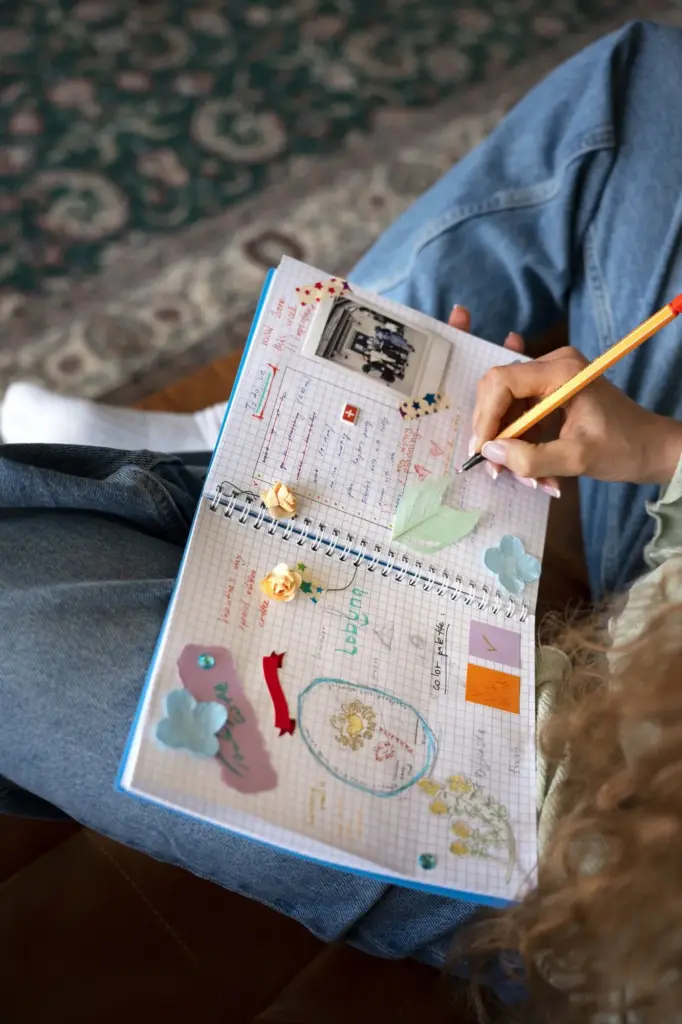
Start with a sixty-second sketch: draw your weekend as three icons, or outline the riskiest assumption using only shapes. The goal is motion, not art. Confidence rises, pens unstick, and a playful tone emerges, making deeper conversations easier once real work begins.

Make Space for All Voices

Invite input in rounds, starting with a quiet minute to draw privately. Then share clockwise, limiting airtime equally. Use named prompts so newcomers know where to add notes. Offer anonymous stamps for sensitive topics. This simple design keeps participation balanced without calling people out publicly.
Xarikirarinoveltozeratelimexo
Privacy Overview

This website uses cookies so that we can provide you with the best user experience possible. Cookie information is stored in your browser and performs functions such as recognising you when you return to our website and helping our team to understand which sections of the website you find most interesting and useful.